Selling your home is a significant decision, especially when you’ve spent years building memories and investing in your property. If you’re planning on selling a home in West Covina, understanding the local housing market and preparing a thoughtful selling strategy can make a meaningful difference in your experience.
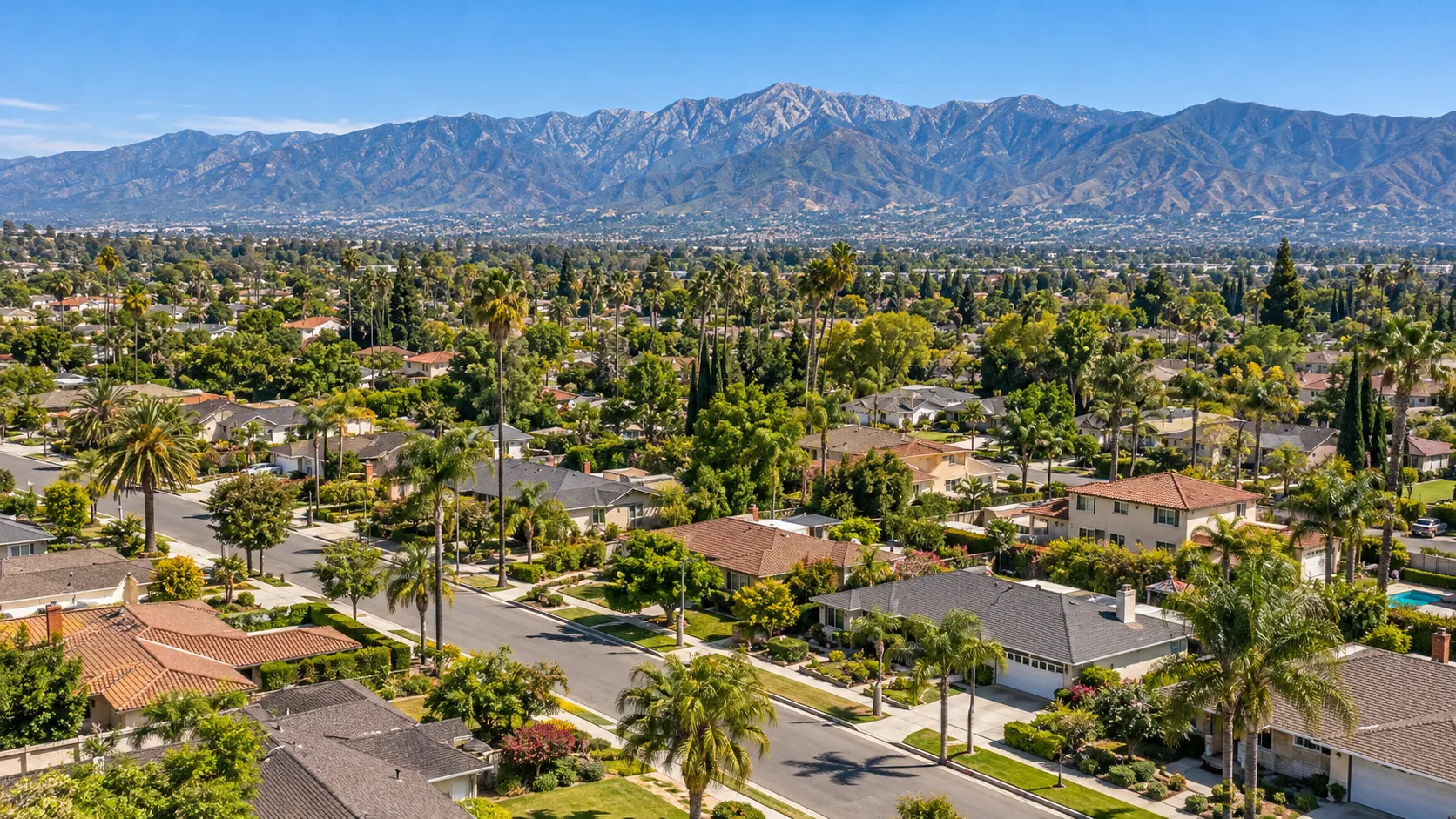
West Covina is an established city in Los Angeles County’s San Gabriel Valley, offering a variety of residential neighborhoods, shopping destinations, and transportation connections. These characteristics can attract homebuyers with different budgets, lifestyles, and property requirements.
However, selling a property successfully involves much more than placing a listing online.
From establishing an appropriate asking price to preparing your home for showings and evaluating purchase offers, every stage requires careful planning.
Some homeowners are concerned about how long their property will remain on the market. Others want to know whether they should make renovations, offer buyer incentives, or sell their home in its current condition.
The answers depend on your property’s features, financial goals, and current market conditions.
This guide explains the essential steps to selling your West Covina home, including pricing, preparation, marketing, negotiations, and closing.
Understanding the West Covina Real Estate Market
Before listing your property, it helps to understand how buyers evaluate homes in West Covina.
Real estate markets are constantly changing. The number of available listings, mortgage interest rates, economic conditions, and buyer preferences can all influence selling activity.
Although national housing trends provide general context, the conditions affecting your neighborhood and property type may be different.
Understand Local Buyer Demand
Not every property attracts the same buyers.
A condominium may appeal to someone looking for a smaller home with shared maintenance responsibilities, while a detached single-family property may attract purchasers seeking a yard or additional interior space.
Other buyers may focus on proximity to employment centers, transportation, shopping, or recreational amenities.
Understanding which features make your property appealing can help shape its marketing strategy.
For example, if your home has a flexible floor plan, dedicated workspace, or upgraded outdoor living area, those characteristics may deserve attention in the listing description and photography.
The goal is to communicate your property’s actual strengths without exaggerating or making unsupported claims.
Review Comparable Home Sales
One of the most useful steps before listing is examining recently sold properties.
A comparative market analysis considers homes with characteristics similar to yours.
Relevant factors include property size, age, condition, location, and amenities.
Recent sales provide evidence of what buyers have paid for comparable homes.
Active listings are also important because they represent current alternatives available to buyers.
However, asking prices do not necessarily reflect final sale prices.
A realistic pricing strategy should take both completed transactions and current competition into account.
Consider Market Timing
Homeowners frequently ask whether spring or summer is the best time to sell.
While certain seasons may bring more buyer activity, there is no universally ideal month for every property.
Market conditions, mortgage costs, competing inventory, and personal circumstances can matter more than the season alone.
For instance, selling during a period with fewer competing listings may provide advantages even when overall buyer traffic is lower.
Rather than relying on general seasonal assumptions, review current West Covina housing data with a local real estate professional.
Your moving schedule and financial readiness should also influence your decision.
How to Price Your West Covina Home Competitively
Pricing is one of the most important decisions you’ll make when selling a property.
An asking price affects how buyers discover your listing, whether they schedule showings, and how they compare your home with competing properties.
Pricing too high may discourage qualified buyers. Pricing without sufficient market research may also prevent you from evaluating your property’s full potential.
The objective is to establish a price supported by available market evidence.
Start With a Comparative Market Analysis
A comparative market analysis, commonly called a CMA, examines recent property sales and relevant listings.
Your agent should account for differences between your property and the comparable homes.
A recently renovated residence may not be directly comparable to a property that requires substantial repairs, even if both have similar square footage.
Other adjustments may involve lot size, garages, property features, and overall condition.
A CMA is different from a formal appraisal, but it can provide a practical foundation for setting a listing price.
Avoid Emotional Pricing
It’s natural to value a home based on personal experiences and the improvements you’ve made.
However, potential buyers usually evaluate properties according to their own needs and available alternatives.
A renovation that was expensive to complete may not increase market value by an equivalent amount.
For example, a highly customized room or luxury material may appeal to some buyers but not others.
Instead of calculating your asking price by adding every improvement expense to the original purchase price, focus on recent market evidence.
This helps create an objective strategy.
Understand Online Price Searches
Many buyers use property search websites that allow them to filter listings by price range.
If your asking price falls just outside a common search range, some potential buyers may never see your property.
This doesn’t mean you should automatically price below market value.
It means pricing decisions should consider how buyers search and compare homes.
An experienced agent can help you evaluate whether your proposed list price is likely to reach the appropriate audience.
Be Prepared to Adjust
Once your home is listed, market feedback becomes valuable.
Pay attention to showing activity, buyer comments, competing listings, and offers received.
Limited interest may indicate pricing concerns, but it could also reflect presentation, property condition, or broader market conditions.
Avoid making changes without reviewing the evidence.
A structured approach helps you determine whether improvements, marketing adjustments, or a price revision are appropriate.
Preparing Your Home to Attract Serious Buyers
A well-presented property makes it easier for buyers to understand its space, condition, and potential.
Home preparation does not always require expensive renovations.
Often, thoughtful maintenance, cleaning, and presentation can improve the showing experience.
Focus on Necessary Repairs
Begin by inspecting your property for visible maintenance issues.
Look for leaking faucets, damaged fixtures, worn paint, malfunctioning doors, and other concerns that buyers might notice.
Addressing smaller problems can demonstrate that the home has been maintained.
However, avoid assuming every repair will produce a financial return.
Before investing in major renovations, discuss the likely costs and benefits with your agent.
Depending on your goals, selling the property in its existing condition may be worth considering.
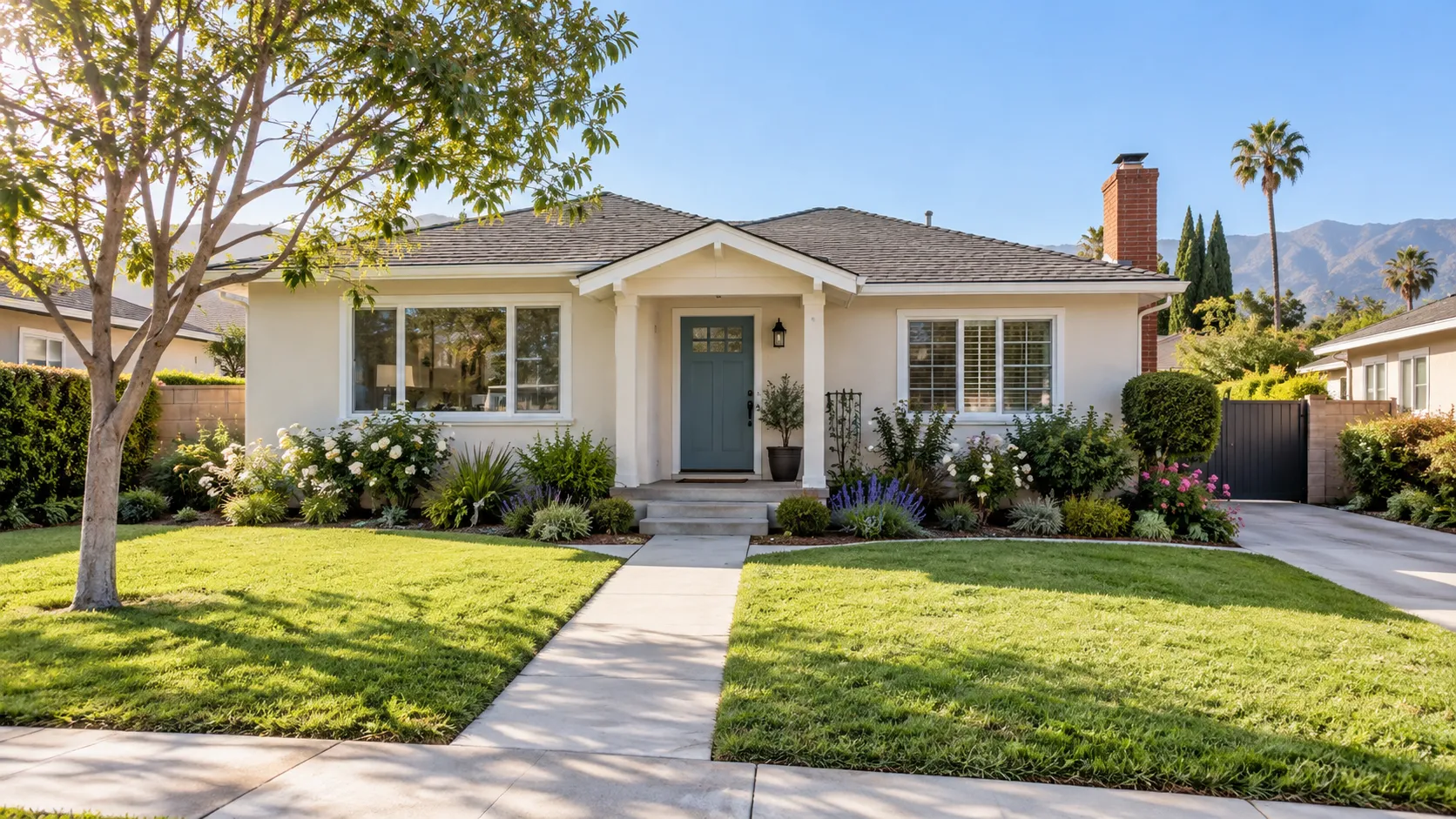
Improve Curb Appeal
The exterior creates an important first impression.
Simple improvements may include trimming overgrown plants, maintaining the lawn, cleaning walkways, and refreshing the front entry.
Check exterior lighting, fencing, and visible paint conditions.
If your property has a patio or backyard, organize the space so buyers can understand how it might be used.
The goal is not to make the home appear artificially perfect, but to present it as clean, welcoming, and maintained.
Declutter and Stage Interior Spaces
Excess furniture and personal belongings can make rooms harder to evaluate.
Before photography and showings, consider removing unnecessary items and organizing storage areas.
Arrange furniture to highlight functional pathways and the room’s intended use.
Neutral presentation can help potential buyers imagine their own belongings in the space.
Professional staging may be helpful for certain properties, especially vacant homes, but it is not always necessary.
Discuss your budget and expected benefits before hiring a staging company.
Invest in Quality Listing Photography
Most buyers begin researching properties online.
Professional photographs can communicate a home’s layout, natural light, and appealing features more effectively than poorly lit phone pictures.
Prepare rooms before the photographer arrives.
Open appropriate window coverings, remove clutter, clean reflective surfaces, and ensure major fixtures are working.
Depending on the home, floor plans, video tours, or other visual materials may also help buyers understand the property.
Any digital enhancements should accurately represent the home’s condition and features.
Develop a Marketing Strategy
Successful home marketing should help qualified buyers discover and evaluate the property.
A plan may include multiple listing service exposure, professional imagery, a clear property description, online promotion, and organized showing opportunities.
Open houses may be useful depending on the property and local market conditions.
Your agent should communicate how the property is being promoted and what feedback is received.
Marketing should emphasize accurate property information rather than making unsupported promises about appreciation, neighborhood characteristics, or future value.
Review Offers Beyond the Purchase Price
When an offer arrives, look beyond the dollar amount.
Important terms include financing, contingencies, earnest money, closing timeline, and requested concessions.
A higher offer is not necessarily the most suitable if it includes conditions that create unacceptable risk.
You may also receive requests involving repairs, credits, or closing arrangements.
Review the complete offer with your real estate agent and relevant professionals before making a decision.
Prepare for Escrow and Closing
After accepting an offer, the transaction generally enters escrow.
During this process, the buyer may complete inspections, obtain an appraisal, and finalize financing.
California sellers also have disclosure obligations, and required documents depend on the property and transaction.
Provide accurate information and seek professional advice when questions arise.
Escrow and title professionals will coordinate financial settlement and relevant documentation.
Understanding deadlines and communicating promptly can help reduce unnecessary delays.
Frequently Asked Questions About Selling a Home in West Covina
How long does it take to sell a house in West Covina?
The timeline depends on pricing, property condition, financing conditions, and buyer demand. Consider both the number of days required to obtain an accepted offer and the additional time needed to complete escrow.
What is my West Covina home worth?
Your home’s value depends on its features, location, condition, and comparable sales. A local comparative market analysis can provide a more property-specific estimate than a general online valuation.
What is the best month to sell a home in West Covina?
There is no single best month for every homeowner. Seasonal activity can affect buyer interest, but interest rates, inventory, and your personal moving plans also matter.
What costs do sellers pay when selling a house in California?
Potential expenses include negotiated real estate compensation, escrow and title charges, agreed repairs or credits, and applicable transfer taxes. Mortgage payoff amounts and other obligations also affect your net proceeds.
Should I renovate my West Covina home before selling?
Not necessarily. Minor repairs and presentation improvements may be helpful, while major renovations require careful cost-benefit analysis. Evaluate your property’s condition and comparable listings before spending money.
Sell Your West Covina Home With Team Alderete
Selling a home involves important financial decisions, but you don’t have to navigate the process without guidance.
A thoughtful approach to pricing, preparation, marketing, and negotiation can help you pursue your real estate goals with greater confidence.
If you’re considering selling a home in West Covina, Team Alderete can help you evaluate your property and develop a strategy based on current local market information.