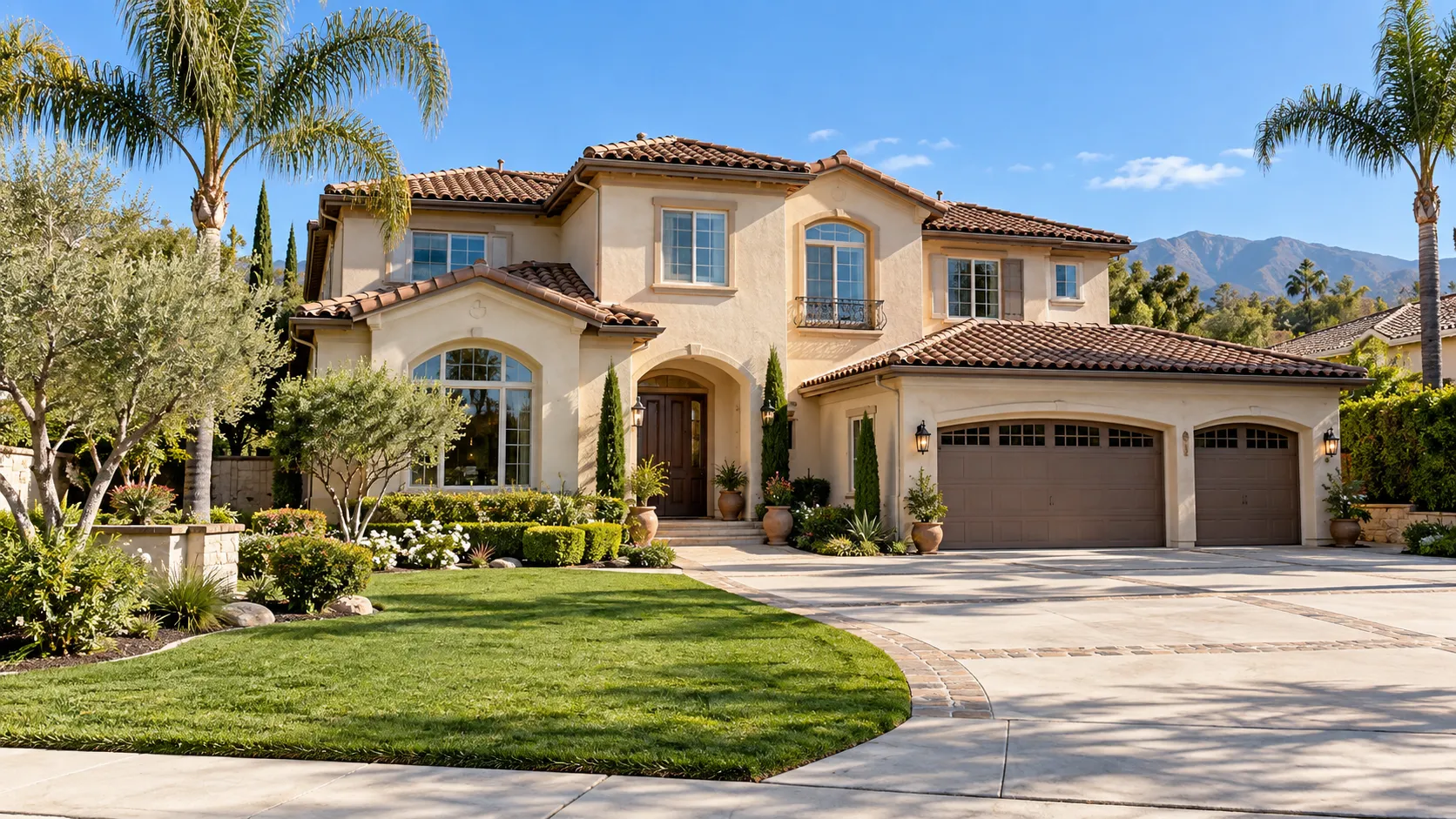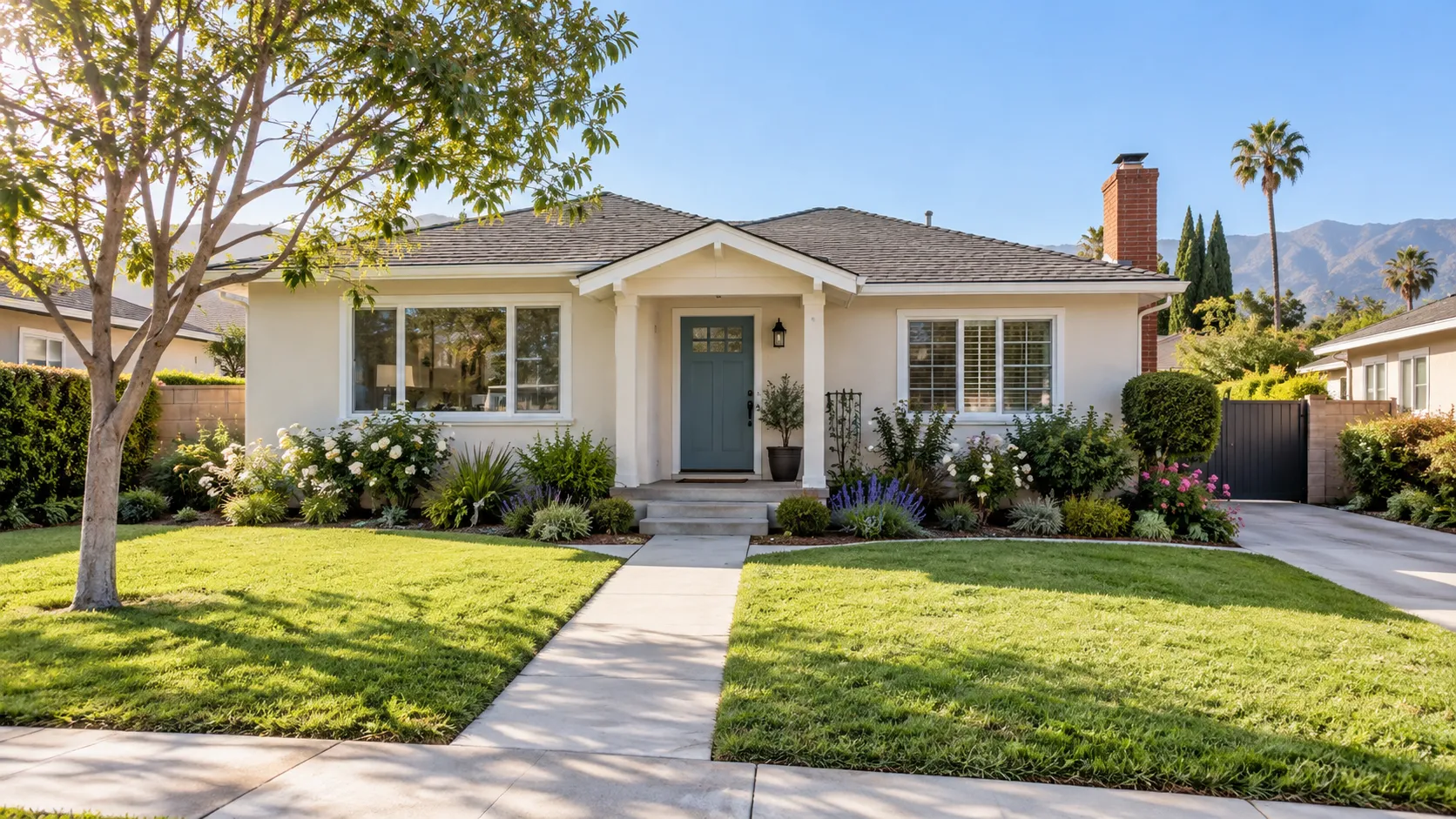
If you own a home in West Covina, California, you’ve probably wondered how much your property is worth. Whether you’re thinking about selling, refinancing, or simply monitoring your investment, understanding West Covina home values can help you make more informed financial decisions.
Your home’s value is influenced by several factors, including location, property condition, square footage, recent comparable sales, and current housing market conditions.
However, determining an accurate market value involves more than entering your address into an online calculator.
Two homes located in the same neighborhood may have different values because of renovations, lot sizes, layouts, or maintenance needs.
A property’s estimated value can also change over time as housing inventory, mortgage rates, and buyer preferences evolve.
For homeowners planning to sell, understanding these factors is especially important. An unrealistic asking price may discourage qualified buyers, while an evidence-based pricing strategy can help generate more meaningful interest.
West Covina is an established San Gabriel Valley community with different housing styles, residential neighborhoods, and property characteristics.
Because of this variety, generalized pricing estimates may not accurately represent individual homes.
This guide explores what influences West Covina property values, how home valuations work, and what homeowners should consider before selling.
Understanding Home Values in West Covina
A home’s value is not necessarily the same as its original purchase price, its property tax assessment, or the estimate displayed by a real estate website.
Each figure serves a different purpose.
Understanding these differences can help you interpret property information more accurately.
What Is Market Value?
Market value generally refers to the price a property is likely to command under current market conditions when appropriately exposed to potential buyers.
It is influenced by factors such as property characteristics, recent sales, buyer demand, and available inventory.
Market value can change even when no improvements have been made to a property.
For example, changes in financing costs or the number of competing listings may influence what buyers can afford or are willing to offer.
A property’s market value is therefore an estimate rather than a permanently fixed number.
The final selling price is determined through an actual transaction between a buyer and seller.
Market Value Versus Assessed Value
California property tax assessments operate under rules that are different from how real estate markets establish prices.
Under Proposition 13, assessed values generally follow a base-year system with limits on annual increases, subject to applicable exceptions and reassessment events.
As a result, the assessed value shown on a tax record may differ significantly from a property’s current market value.
A homeowner who purchased many years ago may have an assessed value that does not reflect what the home could sell for today.
For that reason, property tax records alone should not be used to establish a listing price.
If you’re planning to sell, recent comparable transactions are typically more useful.
Why Recent Comparable Sales Matter
Comparable sales, often called “comps,” provide evidence of what buyers have recently paid for similar properties.
A useful comparable property should share relevant characteristics with your home.
These may include interior living area, lot size, age, condition, and location.
However, no two properties are exactly alike.
For example, a recently renovated home may command a different price than a similarly sized property with an outdated interior.
A local real estate professional can evaluate these differences and explain how they may affect pricing.
How Market Conditions Affect Value
Housing values are influenced by supply and demand.
When many qualified buyers compete for a limited number of suitable properties, sellers may experience stronger interest.
When inventory increases or buyer purchasing power weakens, pricing pressure may change.
Mortgage interest rates can also influence affordability.
Higher borrowing costs may reduce the amount some buyers can comfortably spend, while lower rates may improve purchasing power for qualified borrowers.
However, these relationships are not perfectly predictable.
Local employment trends, property types, seasonal activity, and economic conditions can also affect real estate demand.
Factors That Influence Your Home’s Value
Every home has characteristics that contribute to its appeal and potential selling price.
Understanding these factors can help you identify which aspects of your property may deserve attention before listing.
Location Within West Covina
Location can influence property value, but the relevant details extend beyond the city name.
Buyers may consider proximity to commuting routes, shopping centers, recreation, and other amenities.
For example, access to Interstate 10 or major local roads may be important to someone with a regular commute.
Other buyers may prioritize residential street characteristics or convenient access to everyday services.
Location preferences vary, and buyers may weigh the same factors differently.
Rather than making broad assumptions about a neighborhood, compare recent sales from similar nearby properties.
Square Footage and Floor Plan
Interior living area is another important consideration.
However, square footage alone does not determine value.
A functional layout with practical room sizes, storage, and appropriate circulation may appeal differently than a property with an awkward floor plan.
Bedroom and bathroom counts also matter.
Still, the usefulness of each room should be considered alongside the total number.
For example, a flexible space suitable for an office or guest room may appeal to buyers with different needs.
Accurate property measurements are important when preparing a listing.
If discrepancies exist between public records and actual improvements, additional verification may be necessary.
Property Condition and Maintenance
Homebuyers often consider how much work a property may require after closing.
A well-maintained home may be easier for buyers to evaluate because important systems appear to have received appropriate care.
Before selling, review your roof, plumbing, electrical systems, heating and cooling equipment, and visible building components.
Keep available records of completed repairs, warranties, and permits.
Maintenance documentation may help answer buyer questions.
However, property condition should never be described in misleading terms.
Disclose known issues as required and allow buyers to complete appropriate inspections.
Renovations and Improvements
Renovations may influence a home’s appeal and value.
Kitchens, bathrooms, flooring, and energy-related improvements are features buyers often evaluate.
However, there is no guarantee that an improvement will increase resale value by the amount spent.
The potential benefit depends on the quality of the work, buyer preferences, surrounding property values, and current market conditions.
Before committing to an expensive renovation, compare updated and non-updated homes in your area.
You may find that smaller improvements are more appropriate for your selling goals.
Lot Size and Outdoor Space
Outdoor areas can contribute to a property’s functionality.
Buyers may appreciate usable yards, patios, established landscaping, or space for recreational activities.
However, the value of outdoor space depends on more than the lot’s square footage.
Shape, slope, access, drainage, and existing structures can affect usability.
If you’re marketing potential future improvements, such as an accessory dwelling unit, confirm applicable regulations before making specific claims.
Avoid promising buyers that construction will be approved without supporting documentation.
Competing Properties
Your home’s value is also influenced by other properties available at the same time.
Buyers typically compare multiple listings before making an offer.
If several homes provide similar features at different prices, those alternatives may affect how buyers perceive your property’s value.
A pricing strategy should therefore account for current competition.
Review comparable listings regularly while your home is on the market.
Market conditions can change between your initial valuation and the date you receive an offer.
How to Estimate Your West Covina Home’s Market Value
There are several ways to estimate the value of a property.
Each has advantages and limitations.
For homeowners considering a sale, combining market research with professional guidance is often more useful than relying on one data source.
Start With Online Valuation Tools
Real estate websites frequently provide automated home value estimates.
These systems may use public records, historical transactions, and available property information.
Automated estimates can offer a convenient starting point, but they may not accurately account for renovations, deferred maintenance, or unusual property characteristics.
For example, a website may not know that a home’s kitchen was recently renovated or that its roof needs replacement.
It may also rely on outdated or incomplete property details.
Treat online estimates as preliminary information rather than definitive valuations.
Request a Comparative Market Analysis
A comparative market analysis provides a more targeted examination of your property’s potential value.
A real estate professional typically reviews recent sales, active listings, and relevant market trends.
The analysis should also consider your home’s condition, layout, upgrades, and neighborhood characteristics.
For homeowners considering a sale, a CMA can help establish a defensible asking-price range.
Ask how comparable properties were selected and whether adjustments were made for important differences.
Understanding the reasoning behind a valuation is more useful than receiving an unexplained number.
Understand Professional Appraisals
A professional appraisal is another form of valuation.
Lenders commonly require appraisals during financed real estate transactions.
An appraiser uses recognized valuation methods and relevant property information to develop an opinion of value.
An appraisal is different from a real estate agent’s comparative market analysis.
It may be appropriate for lending, estate planning, legal matters, or other situations depending on the circumstances.
If you need a valuation for a specific financial or legal purpose, consult the relevant professional about what type of report is required.
Evaluate Selling Costs and Net Proceeds
Your estimated home value is not the same as the amount you will receive after selling.
Potential transaction expenses can include negotiated real estate compensation, escrow fees, title-related costs, transfer taxes, and agreed repairs or credits.
You may also need to pay off an existing mortgage or other liens.
Requesting a seller net proceeds estimate can help you understand how different sale prices affect your financial outcome.
This is especially important when you’re planning to purchase another property after selling.
Decide Whether Improvements Are Worthwhile
Before listing your home, consider which preparation expenses may be justified.
Cleaning, decluttering, minor repairs, and landscape maintenance may improve presentation without requiring a major investment.
More extensive renovations should be evaluated carefully.
Ask whether comparable renovated homes are selling for sufficiently higher prices to justify the cost, time, and disruption.
Remember that buyers may have different design preferences.
Sometimes a clean, accurately priced property offers a more practical selling strategy than completing expensive cosmetic upgrades.
Frequently Asked Questions About West Covina Home Values
How much is my house worth in West Covina?
Your home’s value depends on its condition, location, size, upgrades, and recent comparable sales. A personalized comparative market analysis can provide a more relevant estimate than a citywide average.
Are West Covina home prices increasing or decreasing?
Home price trends change over time. Review current closed sales, median prices, inventory, and market activity before drawing conclusions. Short-term averages can also be affected by the mix of properties sold.
What improvements add the most value to a West Covina home?
The financial return from improvements varies. Maintenance, functional updates, and attractive presentation may help, but major renovations should be evaluated against recent comparable sales and expected costs.
How accurate are online home value estimates?
Automated estimates can provide a useful starting point, but they may miss important information about a property’s condition, upgrades, or unique features. Professional market analysis can help clarify those differences.
Should I get a professional home valuation before selling?
Obtaining a comparative market analysis before listing is generally useful. It provides an evidence-based starting point for pricing and helps you understand competing properties and potential selling costs.
Find Out What Your West Covina Home Could Be Worth
Understanding your property’s value can help you plan your next real estate move with confidence.
Whether you’re exploring the possibility of selling or simply want to understand your current position, local market research provides a useful foundation.
Team Alderete can help you review comparable properties, evaluate your home’s features, and understand your options in the West Covina real estate market.