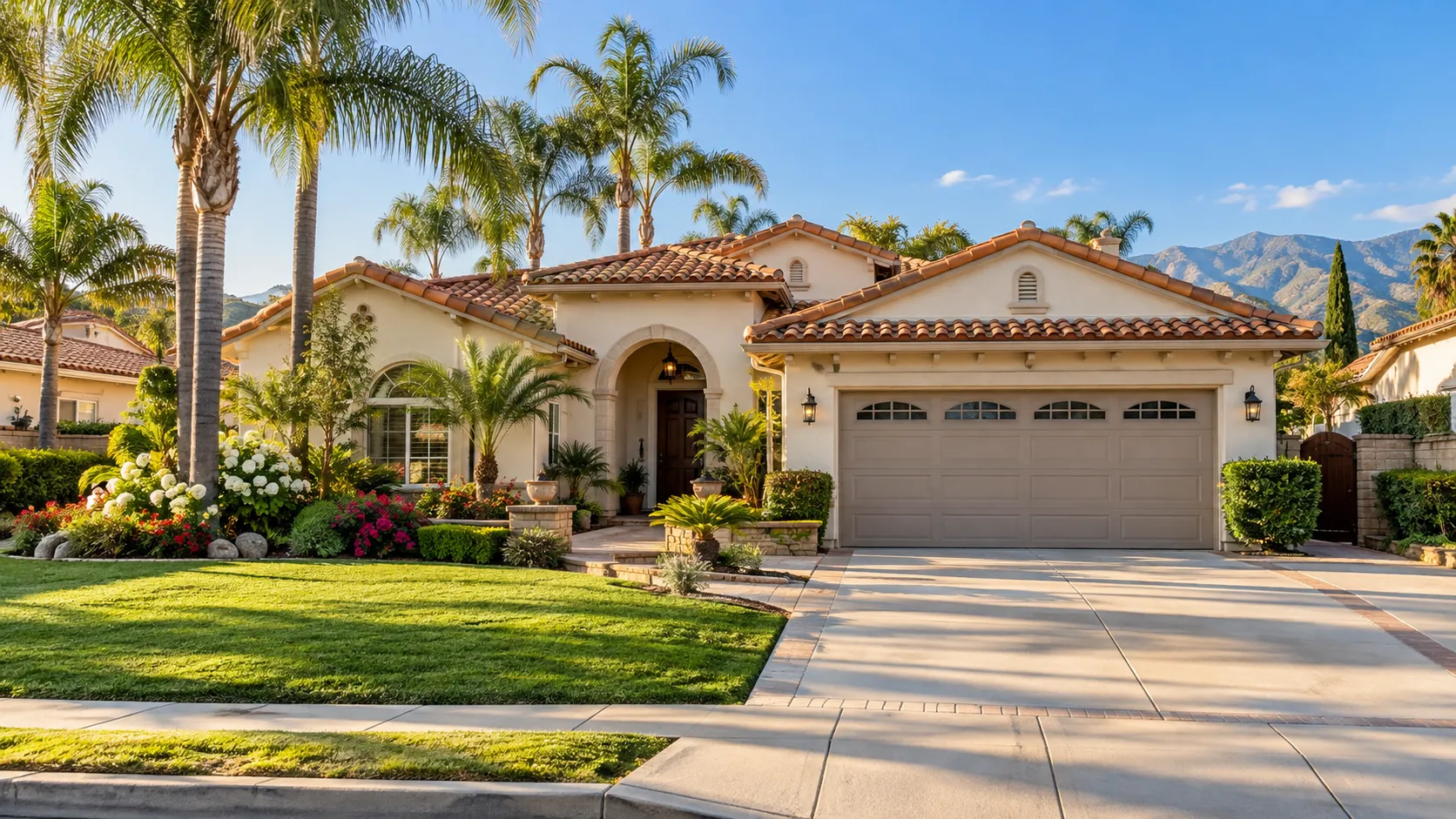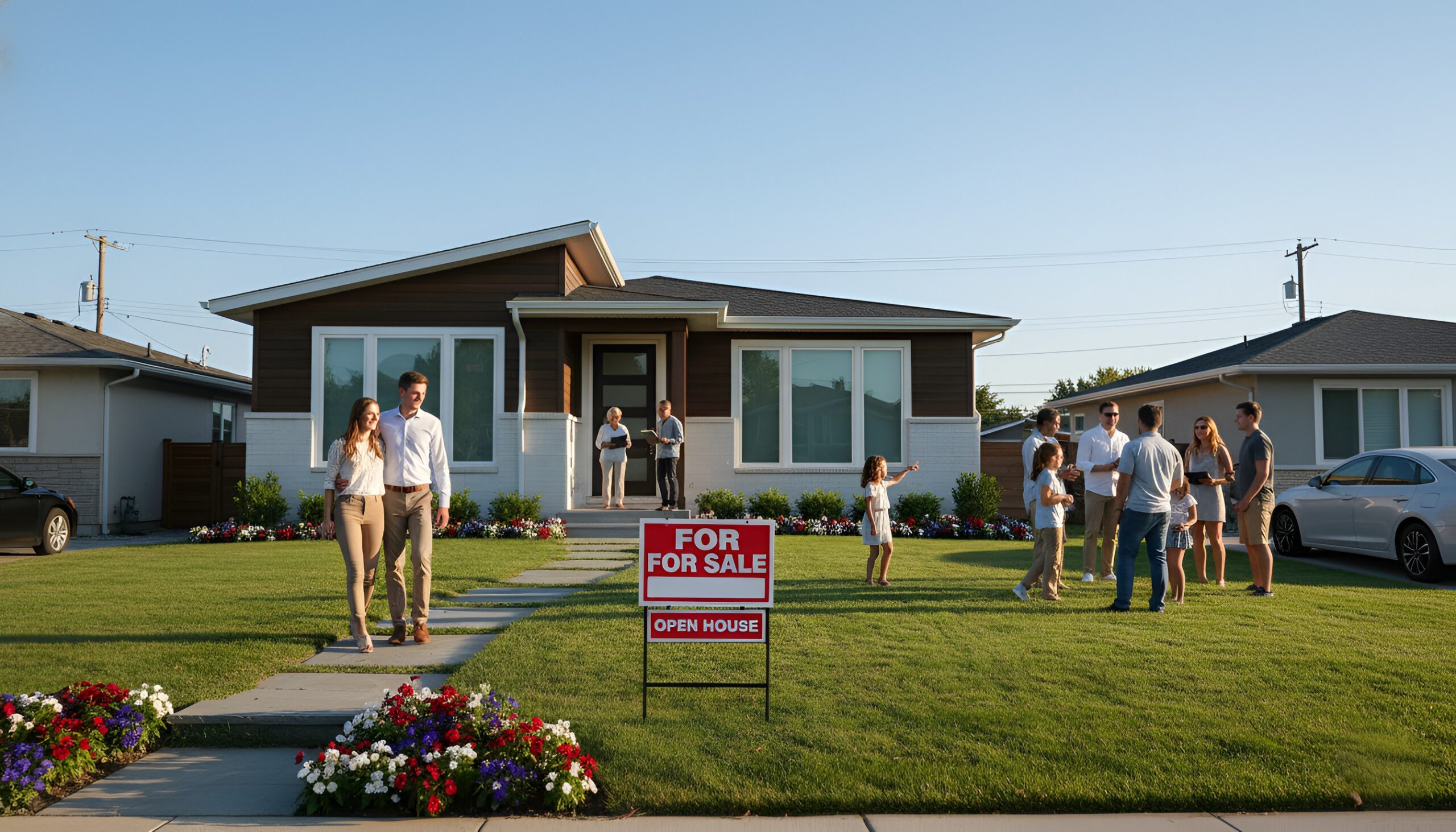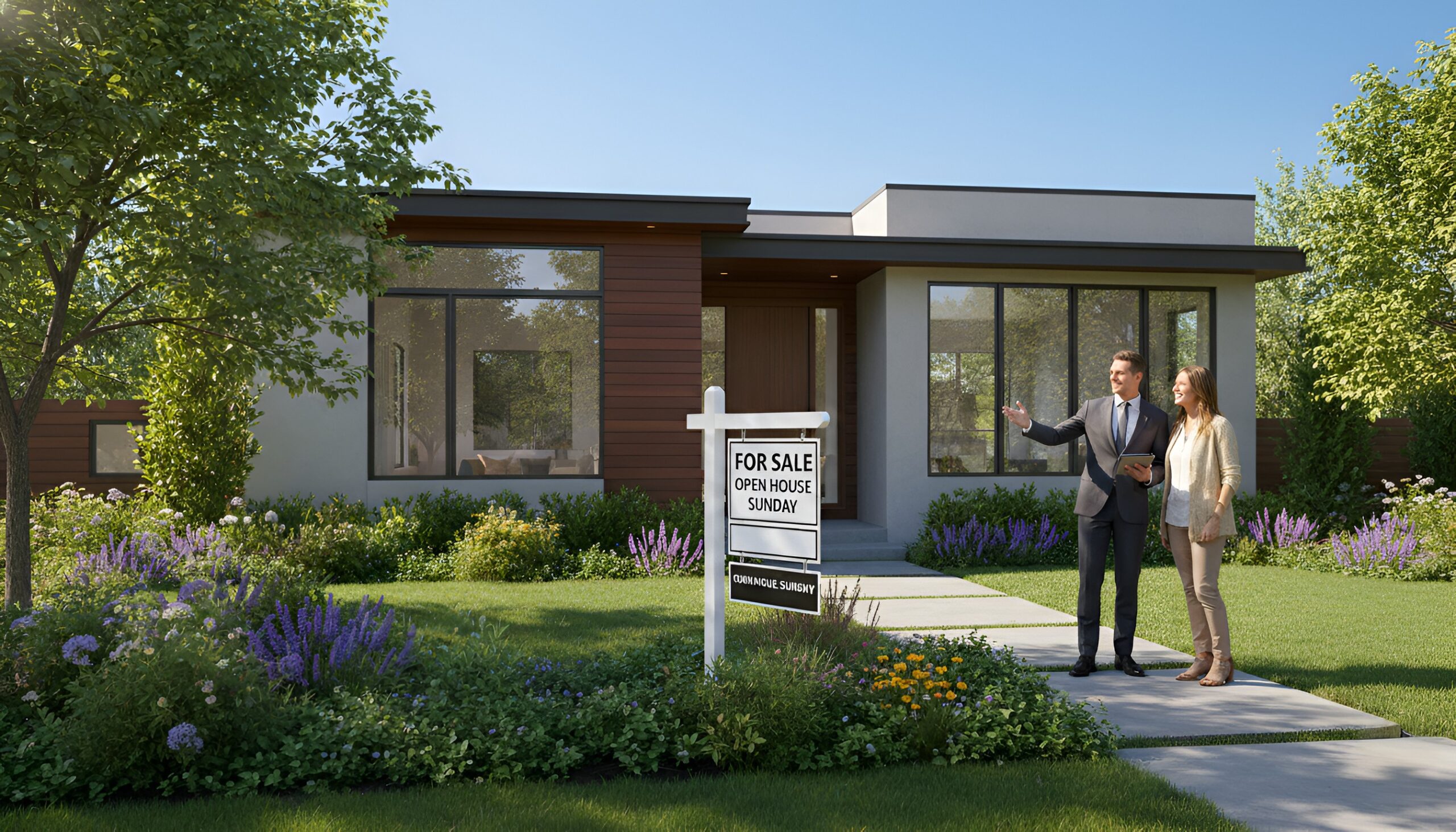
Buying a home is one of the most important financial decisions you’ll make, and choosing the right location is just as important as finding the perfect property. If you’re considering buying a home in Covina, California, understanding the local real estate market, neighborhood options, and homebuying process can help you make a confident decision.
Located in the San Gabriel Valley of Los Angeles County, Covina offers a combination of established residential neighborhoods, local businesses, community amenities, and access to major transportation routes. Its location makes it worth considering for buyers who want to live in the eastern portion of the Los Angeles metropolitan area.
Whether you’re a first-time buyer, moving from another Southern California community, or looking for a property that better fits your lifestyle, Covina offers different housing opportunities depending on your budget and preferences.
However, finding the right home requires more than browsing online listings. You’ll need to evaluate property conditions, financing options, neighborhood characteristics, and your long-term homeownership goals.
This guide explains what you should know about buying a home in Covina, CA, from researching neighborhoods to preparing for closing day.
Why Covina Is Worth Considering for Homebuyers
One of Covina’s appealing characteristics is its balance between residential living and access to everyday conveniences.
The city includes established neighborhoods, shopping areas, local restaurants, parks, and a downtown district that contributes to its community identity.
A Community With Local Character
Covina is known for its downtown area, often referred to as Downtown Covina or the Covina Village area. This part of the city includes restaurants, local businesses, and community destinations.
For homebuyers who enjoy being near independently operated shops and neighborhood gathering places, proximity to downtown may be worth considering.
Other areas of Covina offer more traditional residential settings, with single-family homes, mature landscaping, and streets that have developed over several decades.
Every neighborhood has its own characteristics, so visiting different areas is important before choosing a property.
Convenient Transportation Options
Transportation is another consideration for people buying a home in Covina.
The city offers access to major routes serving the San Gabriel Valley, including Interstate 10 and nearby regional corridors. Covina also has a Metrolink station that connects residents to destinations along the San Bernardino Line.
For commuters, proximity to a freeway or transit station may influence which neighborhood makes the most sense.
However, travel times can vary significantly depending on traffic, commuting schedules, and the exact location of your home.
Before making an offer, consider testing your typical commute during the hours you expect to travel.
Different Types of Housing
Covina’s residential real estate includes several property types.
Buyers may find traditional single-family homes, condominiums, townhomes, and properties with features such as spacious yards or detached garages.
Some properties may offer opportunities for remodeling or expansion, subject to applicable regulations.
When evaluating a house, think beyond its appearance. Consider whether the floor plan, storage, lot size, parking, and ongoing maintenance requirements match your needs.
A property that looks attractive online may not necessarily be the best fit for everyday living.
Understanding the Covina Housing Market
Before buying a home in Covina, it’s important to understand how local real estate conditions affect your purchasing decisions.
Home prices can change based on interest rates, inventory, buyer demand, economic conditions, and the characteristics of individual properties.
Even homes located within the same neighborhood can have noticeably different values.
Research Current Covina Home Prices
Start by reviewing homes currently listed for sale and properties that have recently sold.
Active listings show what sellers are asking, while completed transactions provide insight into what buyers have actually been willing to pay.
Pay attention to important differences between properties, including:
- Interior square footage and lot size
- Number of bedrooms and bathrooms
- Property age and condition
- Renovations and major system updates
- Garage and parking availability
- Location and nearby amenities
For example, two homes with similar bedroom counts may have different values because one has a renovated kitchen, a larger lot, or more functional living space.
A local real estate professional can help you compare properties rather than relying only on advertised listing prices.
Understand the Total Cost of Homeownership
Your purchase price is only one part of your housing budget.
Before making an offer, calculate the expenses associated with owning a property.
These may include mortgage principal and interest, property taxes, homeowners insurance, utilities, maintenance, and homeowners association fees when applicable.
Depending on your loan, mortgage insurance may also be required.
California property taxes also deserve careful consideration. A property’s existing tax bill does not necessarily reflect what a new buyer will pay after a change in ownership.
Request an estimate based on your anticipated purchase price and the property’s applicable tax assessments.
Creating a realistic monthly budget can help you avoid purchasing a home that places unnecessary pressure on your finances.
Evaluate Property Condition Carefully
Many homes in established Southern California communities were built decades ago.
Older homes can offer distinctive architecture and established landscaping, but they may also require additional maintenance.
Pay close attention to roofing, plumbing, electrical systems, foundations, heating and cooling equipment, and signs of water damage.
A professional home inspection can identify visible concerns and recommend further evaluation when necessary.
Depending on the property, specialized inspections for sewer lines, roofing, pests, or foundations may also be worth considering.
Understanding potential repair costs before removing contingencies can protect you from unpleasant surprises after closing.
Steps to Buying Your First Home in Covina
The homebuying process becomes much easier when you understand what to expect and prepare before beginning your search.
Step 1: Establish Your Homebuying Budget
Begin by reviewing your income, savings, debts, and monthly obligations.
Determine how much you can comfortably spend on housing while still maintaining emergency savings and meeting other financial goals.
Remember to budget for moving expenses, closing costs, and potential repairs after purchasing the property.
Avoid basing your budget exclusively on the maximum loan amount a lender may approve.
A comfortable payment is often more important than reaching your maximum purchasing power.
Step 2: Obtain Mortgage Preapproval
Mortgage preapproval helps you understand your potential financing options.
A lender typically reviews financial information such as income, credit history, debts, and assets to estimate the loan amount you may qualify for.
Preapproval is not a final loan commitment, but it can strengthen your preparation before making an offer.
You may want to compare lenders based on interest rates, estimated closing costs, loan terms, and communication.
Ask for a detailed loan estimate so you can evaluate the overall cost of financing.
Step 3: Identify Your Priorities
Before touring homes, create a list of essential features and preferences.
Your essential features might include a minimum number of bedrooms, suitable parking, accessibility needs, or a manageable commute.
Preferences could include a remodeled kitchen, additional storage, a larger backyard, or proximity to restaurants.
Separating necessities from optional features makes it easier to evaluate properties objectively.
You may discover that a home with a less fashionable interior provides more practical value because of its layout or location.
Step 4: Tour Homes and Research Neighborhoods
Online photos are useful, but they rarely tell the complete story.
Touring a property allows you to evaluate room sizes, natural light, noise levels, storage, and overall condition.
When possible, revisit the neighborhood at different times of day.
Research nearby services, transportation access, and public amenities through official sources.
If school assignments matter to your purchase decision, verify the specific property’s district and school boundaries directly with the appropriate district.
Do not rely solely on listing descriptions, because boundaries and enrollment policies can change.
Step 5: Make a Competitive Offer
Once you find a suitable property, your real estate agent can help you evaluate comparable sales and develop an offer.
An offer may include the purchase price, deposit, financing terms, proposed closing date, and contingencies.
The strongest strategy is not always offering the highest price.
A carefully structured offer should also account for your financing, risk tolerance, and ability to complete the transaction.
Your agent can explain how different contract terms may influence negotiations.
Step 6: Complete Inspections and Appraisal
After an offer is accepted, the transaction typically moves into escrow.
During this period, you’ll review disclosures, coordinate inspections, and continue the lending process.
Your lender may require an appraisal to evaluate the property’s value for financing purposes.
An appraisal and a home inspection serve different functions. An appraisal primarily supports the lender’s valuation process, while an inspection examines the property’s physical condition.
Review findings carefully and discuss your options before contractual deadlines.
Step 7: Prepare for Closing
Before closing, your lender and escrow professionals will coordinate the remaining paperwork and financial requirements.
Review your closing documents, confirm the funds needed, and ask questions about unfamiliar charges.
A final walkthrough can help you check whether the property remains in the expected condition and whether agreed-upon arrangements have been completed.
After the transaction closes and possession is delivered according to the contract, you can begin settling into your new Covina home.
Frequently Asked Questions About Buying a Home in Covina
Is Covina, CA, a good place to buy a house?
Covina may be a good option for buyers seeking an established San Gabriel Valley community with residential neighborhoods, local amenities, and regional transportation access. The right choice depends on your budget, commuting needs, desired property features, and long-term plans.
How much does a house cost in Covina?
Covina home prices vary based on property size, condition, location, and current market activity. For an accurate estimate, review recent comparable sales rather than relying on an outdated citywide average.
What are the best neighborhoods in Covina for homebuyers?
The best neighborhood depends on your priorities. Some buyers prefer proximity to Downtown Covina, while others prioritize residential streets, lot sizes, transit access, or particular home features. Touring multiple areas can help you make an informed comparison.
How much down payment do I need to buy a home in Covina?
Down payment requirements vary by mortgage program and borrower qualifications. Some eligible buyers may qualify for low-down-payment conventional loans, FHA financing, or VA loans. A lender can help you compare eligibility requirements and total borrowing costs.
Is buying a home in Covina a good investment?
Homeownership may offer long-term benefits, but appreciation is never guaranteed. Evaluate affordability, maintenance expenses, location, and your expected ownership period before treating a property as an investment.
Find Your Next Home in Covina With Team Alderete
Buying a home should feel like an informed decision, not a rushed one.
From understanding property values to reviewing neighborhoods and navigating escrow, preparation can make the process more manageable.
If you’re thinking about buying a home in Covina, Team Alderete can help you explore available properties, compare local housing options, and take the next steps toward homeownership.