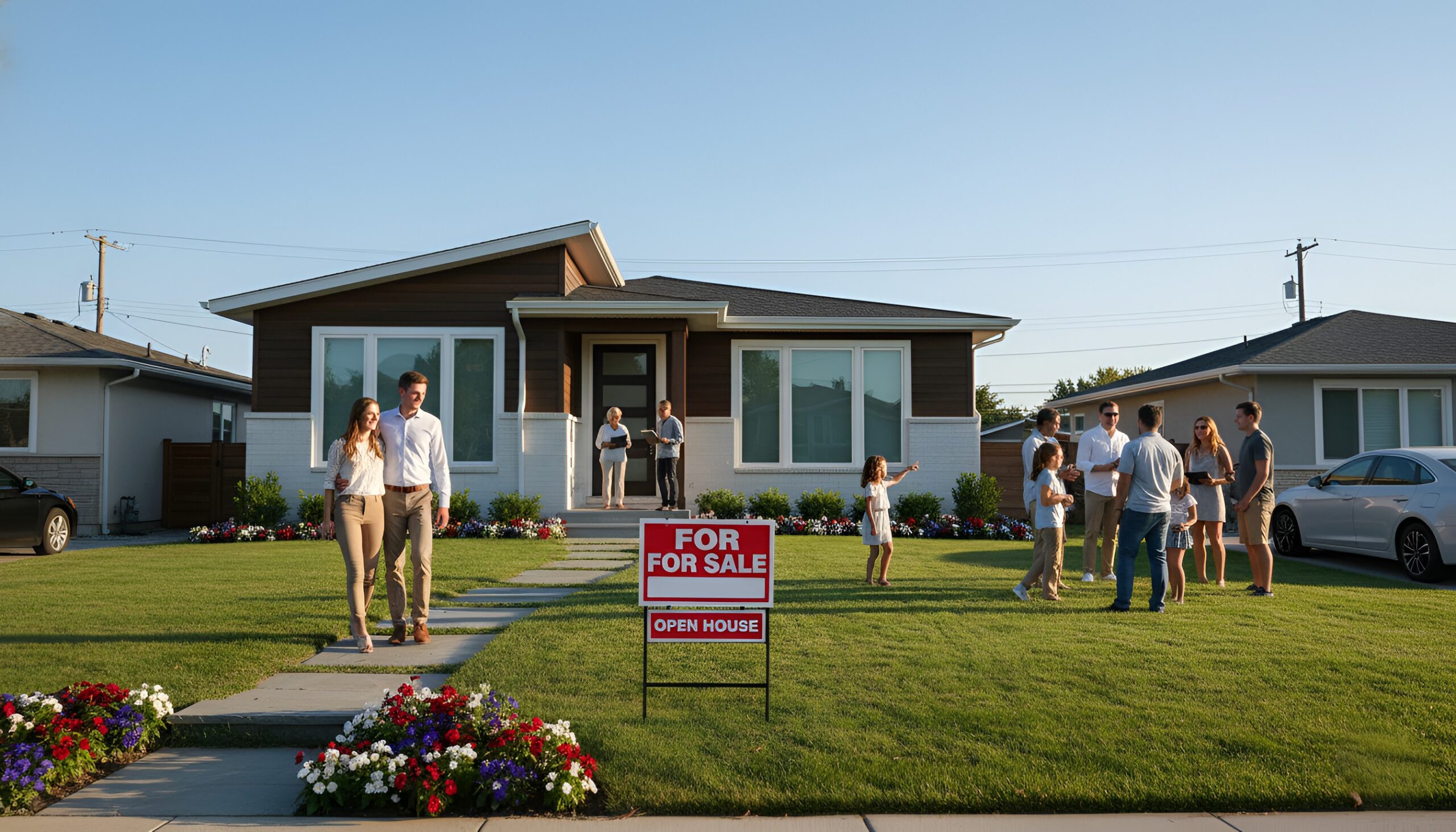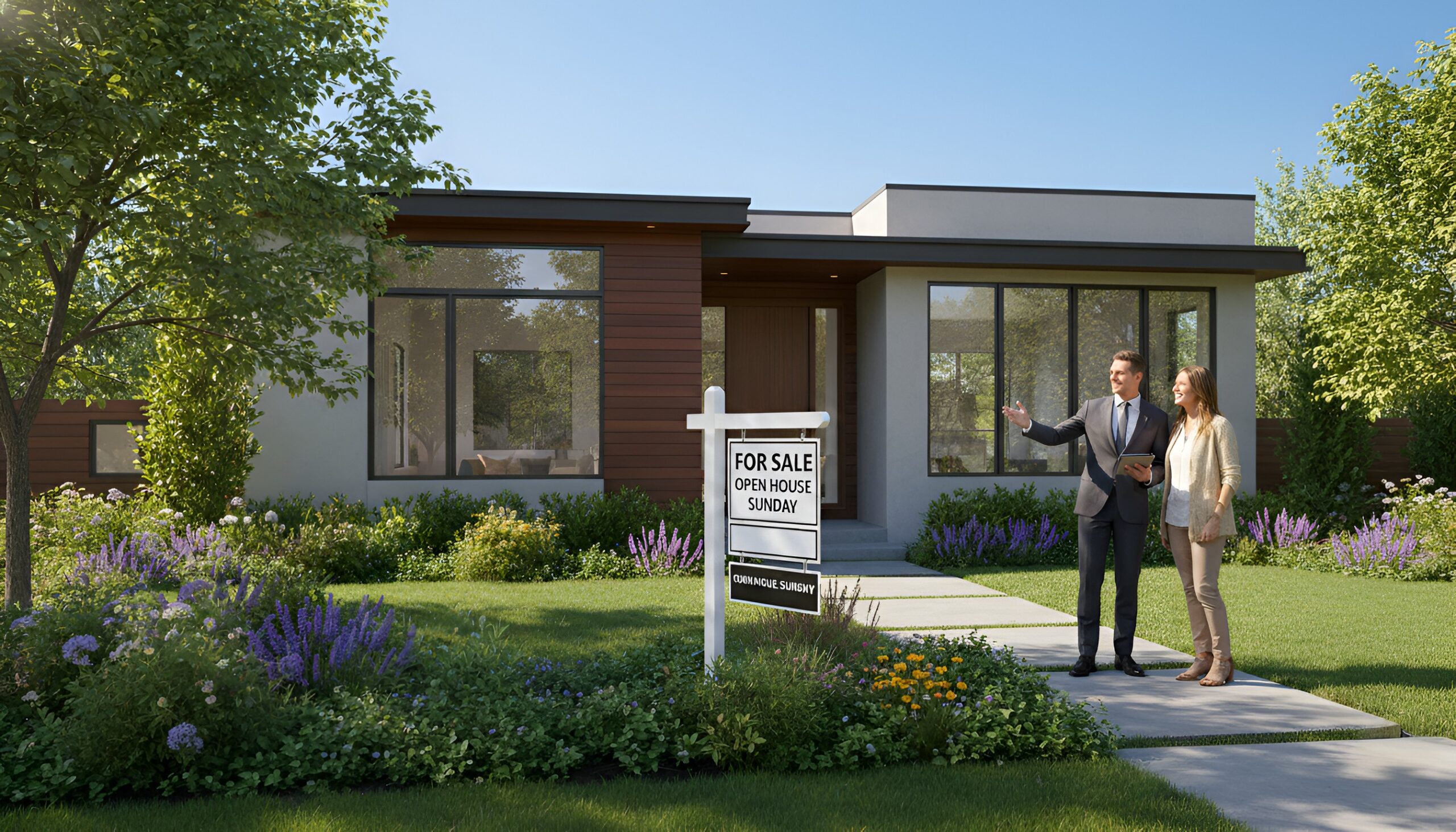
Setting the right price for your home is one of the most critical steps in selling your property. Price it too high, and it could sit on the market for months; price it too low, and you leave money on the table. Savvy real estate professionals rely on comparable sales, or “comps,” to strategically price homes for maximum value. In this guide, we’ll explore how experts analyze comps, why they matter, and actionable strategies to get the best return on your home sale.
Understanding Comparable Sales: The Cornerstone of Strategic Pricing
Comparable sales, often referred to as comps, are recently sold properties that are similar to your home in size, location, and features. Real estate professionals use these benchmarks to determine a competitive and realistic asking price.
Why Comparable Sales Matter
The real estate market is dynamic, with prices fluctuating based on demand, seasonality, and economic factors. By analyzing comps:
- Sellers gain insights into current market trends.
- Buyers are assured they are paying a fair price.
- Agents can create a strategic pricing plan that minimizes time on market while maximizing profit.
For example, if homes similar to yours have been selling for $350,000–$375,000 in the last three months, pricing your home within this range is a smart starting point. Ignoring comps could result in underpricing or overpricing your home, which impacts your final sale outcome.
How Experts Select the Right Comparables
Not all comparables are created equal. Real estate professionals carefully select comps based on multiple criteria:
1. Location Matters Most
Properties in the same neighborhood or subdivision are preferred because location heavily influences value. Proximity to schools, parks, shopping centers, and public transportation also affects pricing.
2. Size and Layout
Square footage, number of bedrooms and bathrooms, and overall layout impact comparability. Two homes with the same square footage but different layouts may not have the same market value.
3. Condition and Upgrades
Homes with modern upgrades, renovated kitchens, or recently replaced roofs may command a higher price than older or less maintained properties. Experts adjust the comps accordingly to reflect these differences.
4. Sale Recency
The real estate market evolves quickly, so recent sales (typically within the last 3–6 months) are the most reliable indicators of current value. Older sales may not reflect today’s market conditions accurately.
Strategic Home Pricing Techniques Using Comps
Once the right comps are identified, real estate experts apply specific strategies to set an optimal asking price.
1. Price Within Market Range
Setting a price slightly above the highest comp can attract buyers looking for value while leaving room for negotiation. Conversely, pricing slightly below can generate competition and multiple offers.
2. Psychological Pricing
Pricing your home at $349,900 instead of $350,000 can make a significant difference in buyer perception. Small adjustments can influence how potential buyers view affordability.
3. Adjust for Unique Features
If your home has unique amenities, such as a swimming pool, smart home technology, or a finished basement, experts factor these into the price. Conversely, if your home lacks certain features present in comparables, adjustments are made to avoid overpricing.
4. Monitor Market Feedback
Even after listing, experts track buyer interest, open house attendance, and online engagement. If feedback indicates that the price may be too high or low, they adjust strategically to keep the home competitive.
Benefits of Expertly Priced Homes
Pricing your home based on comparables is not just about getting offers; it’s about maximizing value while reducing stress. Some benefits include:
- Faster Sales: Homes priced correctly often sell faster because they attract serious buyers.
- Higher Returns: Strategic pricing prevents leaving money on the table.
- Market Credibility: Properly priced homes gain credibility with buyers and agents, increasing negotiation leverage.
- Reduced Stress: Avoiding prolonged listing periods reduces the pressure of holding costs and uncertainty.
In essence, leveraging comparable sales is a cornerstone of selling homes efficiently and profitably.
FAQs About Strategic Home Pricing and Comparable Sales
1. What is the difference between a home appraisal and comparable sales?
A home appraisal is a professional evaluation that estimates your property’s value, often required by lenders. Comparable sales are market-based data used by real estate agents to set a competitive listing price.
2. How many comparables should I consider when pricing my home?
Experts typically review 3–5 recent sales of similar homes in the same neighborhood, adjusting for size, upgrades, and condition.
3. Can I price my home higher than the comps?
Yes, but overpricing can reduce buyer interest. Strategic pricing slightly above comps works if your home has premium features or market demand is high.
4. How often should I update my pricing strategy?
Market conditions change, so revisiting pricing every 2–4 weeks based on feedback and new comps is advisable.
5. Do comparable sales differ in urban vs. suburban markets?
Yes, urban properties may have more rapid price fluctuations due to demand, while suburban markets often see steadier trends. Agents tailor strategies accordingly.
Call-to-Action: Get Your Home’s True Market Value Today
Don’t leave the value of your home to chance. Schedule a free, expert home pricing consultation today and discover how strategic pricing using comparable sales can maximize your property’s value.