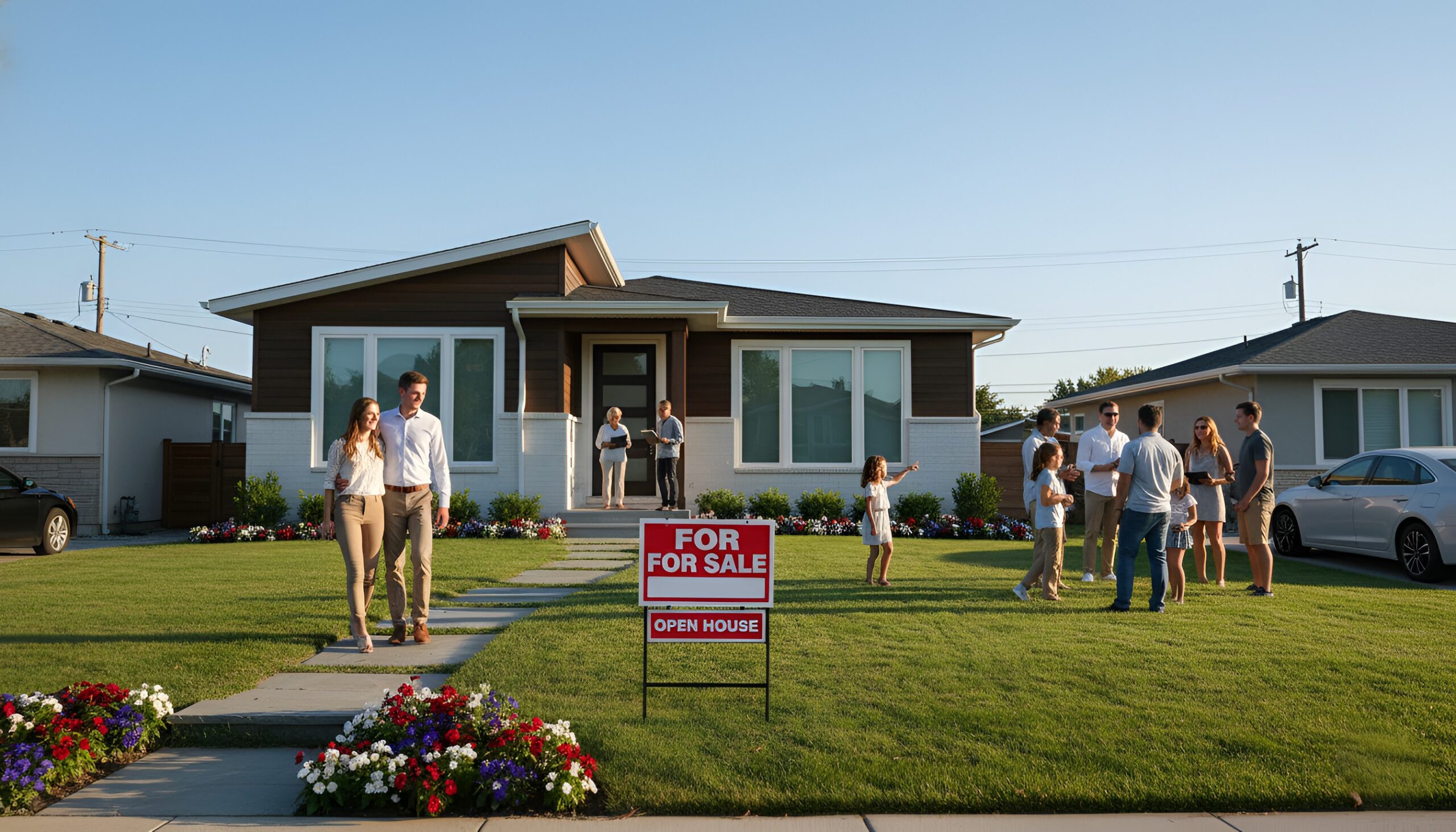
Buying a home is often described as one of the most logical financial decisions a person will ever make. Buyers compare prices, evaluate neighborhoods, calculate mortgage payments, and analyze long-term value. Yet despite all this logic, the truth is simple: homebuying is deeply emotional.
From the excitement of finding “the one” to the fear of making a costly mistake, emotions influence nearly every stage of the real estate purchase journey. Understanding the psychology of homebuyers is no longer optional for real estate professionals—it’s essential. When agents, developers, and marketers understand what motivates buyers emotionally, they can create stronger connections, build trust faster, and guide prospects toward confident decisions.
In this in-depth guide, we’ll explore how emotions shape homebuying behavior, the psychological triggers behind purchase decisions, and how real estate professionals can ethically use this insight to serve clients better and close more sales.
How Emotions Shape Homebuying Decisions
At its core, a home is far more than a physical structure. It represents safety, identity, success, and belonging. These emotional meanings play a powerful role in how buyers perceive value and make decisions.
The Emotional Weight of Buying a Home
For many buyers, purchasing a home marks a major life milestone. It may symbolize independence, family growth, career success, or long-term stability. Because of this, emotions often outweigh rational analysis, even when buyers believe they are being purely logical.
Key emotional drivers include:
- Security: A desire for safety, privacy, and control over one’s living space
- Belonging: The feeling of being part of a community or neighborhood
- Pride: Ownership as a symbol of achievement and social status
- Comfort: Emotional attachment to layout, light, and ambiance
These feelings often arise within minutes of entering a property. Buyers may later justify their decision with logic, but the emotional response usually comes first.
First Impressions and Emotional Anchoring
Psychologically, first impressions create a mental “anchor.” If a buyer feels positive emotions early—such as warmth, excitement, or calm—they are more likely to overlook minor flaws later. Conversely, a negative first impression can be difficult to reverse.
This is why staging, curb appeal, lighting, and even scent matter so much in real estate. They influence emotions before logic has a chance to intervene.
Key Psychological Triggers That Influence Homebuyers
Understanding specific psychological triggers can help explain why buyers act the way they do—and how professionals can guide them ethically and effectively.
Fear of Missing Out (FOMO)
FOMO is one of the strongest emotional drivers in real estate. When buyers believe a property is in high demand or may not be available for long, urgency increases. This fear can push hesitant buyers to act faster than they otherwise would.
Limited inventory, multiple offers, and phrases like “highly sought-after neighborhood” amplify this emotional response. While FOMO should never be manipulated dishonestly, transparency about market conditions helps buyers make timely decisions.
Social Proof and Validation
Buyers feel more confident when they know others have made similar decisions. Testimonials, reviews, and visible interest from other buyers all reinforce the idea that a property or neighborhood is desirable.
Psychologically, social proof reduces perceived risk. If others have chosen this area or worked with this agent, the decision feels safer and more validated.
Loss Aversion
People are naturally more motivated to avoid loss than to achieve gain. In real estate, this means buyers are often more concerned about what they might lose—money, opportunity, or comfort—than what they might gain.
For example, buyers may worry about losing a good interest rate, a preferred school district, or a rare property feature. Addressing these concerns empathetically helps reduce anxiety and supports confident decision-making.
The Power of Visualization
When buyers can imagine themselves living in a home, emotional attachment strengthens. Visualization activates the brain’s emotional centers, making the experience feel real and personal.
This is why phrases like “imagine hosting family dinners here” or “picture waking up to this view every morning” are so effective. They transform a house into a future lifestyle.
Emotional Stages of the Homebuying Journey
The homebuying process is not emotionally linear. Buyers experience a range of feelings at each stage, and understanding these shifts allows real estate professionals to provide the right support at the right time.
Excitement and Optimism
At the beginning, buyers are often enthusiastic and hopeful. They browse listings, attend open houses, and dream about possibilities. This stage is driven by excitement and anticipation.
Real estate professionals can support this phase by:
- Providing inspiring yet realistic options
- Listening carefully to lifestyle goals
- Educating buyers without overwhelming them
Anxiety and Doubt
As buyers narrow their options, anxiety tends to increase. Financial commitments, market competition, and fear of making the wrong choice can create stress.
Common emotional questions include:
- “Am I overpaying?”
- “What if a better home comes along?”
- “Is this the right neighborhood for the long term?”
Empathy is crucial here. Clear explanations, data-backed insights, and reassurance help buyers move forward with confidence.
Attachment and Commitment
Once buyers emotionally commit to a property, attachment grows quickly. At this stage, even minor obstacles—such as inspection issues or financing delays—can feel overwhelming.
Real estate professionals play a vital role by managing expectations, solving problems calmly, and reminding buyers of the reasons they fell in love with the home.
Relief and Satisfaction
After closing, emotions shift to relief, pride, and accomplishment. A positive emotional journey increases the likelihood of referrals, reviews, and long-term client relationships.
How Real Estate Professionals Can Leverage Buyer Psychology Ethically
Understanding buyer psychology is not about manipulation—it’s about communication, empathy, and service. When used ethically, psychological insight improves outcomes for both buyers and sellers.
Build Trust Through Emotional Intelligence
Buyers want to feel understood, not pressured. Active listening, empathy, and honesty create emotional safety. When buyers trust their agent, they are more open about fears, goals, and expectations.
Simple practices such as acknowledging emotions, validating concerns, and explaining processes clearly can significantly improve trust.
Align Features With Emotional Benefits
Instead of listing features alone, connect them to emotional outcomes. For example:
- “Open floor plan” becomes “a space for family connection”
- “Large backyard” becomes “room for memories and celebrations”
- “Quiet street” becomes “peace of mind and privacy”
This approach resonates more deeply with buyers and helps them see true value.
Reduce Stress With Clarity and Education
Uncertainty fuels anxiety. Providing clear timelines, market insights, and step-by-step guidance reduces emotional overload. Buyers who feel informed feel empowered.
Educational content, buyer guides, and transparent communication all contribute to a smoother emotional journey.
Create a Sense of Belonging
People don’t just buy homes—they buy into communities. Highlighting neighborhood culture, local amenities, schools, and lifestyle benefits strengthens emotional connection.
When buyers feel they belong, their confidence in the decision increases.
Frequently Asked Questions About Homebuyer Psychology
Why are emotions so important in homebuying decisions?
Emotions influence perception, memory, and judgment. Buyers often decide emotionally first and justify logically later, making emotions a key driver of purchase decisions.
How does fear affect homebuyers?
Fear of missing out, fear of overpaying, and fear of making the wrong choice can either push buyers to act quickly or cause decision paralysis. Proper guidance helps balance fear with confidence.
Can real estate agents ethically use psychology to influence buyers?
Yes. Ethical use of psychology focuses on empathy, transparency, and education rather than manipulation. The goal is to support informed and confident decisions.
What role does first impression play in selling a home?
First impressions create emotional anchors that influence how buyers perceive value. Positive initial emotions can increase interest and reduce sensitivity to minor flaws.
How can buyers manage their emotions during the process?
Buyers can manage emotions by setting clear priorities, working with trusted professionals, and balancing emotional reactions with factual information.
Turn Buyer Psychology Into Real Estate Success
Understanding the psychology of homebuyers is one of the most powerful tools in modern real estate. When professionals recognize the emotional drivers behind purchase decisions, they can communicate more effectively, build deeper trust, and create meaningful experiences that lead to successful outcomes.
Homes are not just bought with budgets and checklists—they are chosen with hearts, hopes, and dreams. By aligning logic with emotion, real estate professionals can guide buyers toward decisions they feel confident and happy about for years to come.
Ready to Connect With Buyers on a Deeper Level?
If you want to attract motivated buyers, build trust faster, and close more deals by understanding what truly drives purchase decisions, now is the time to take action.
Connect with our real estate experts today and discover how emotionally intelligent strategies can transform your sales results and client relationships.